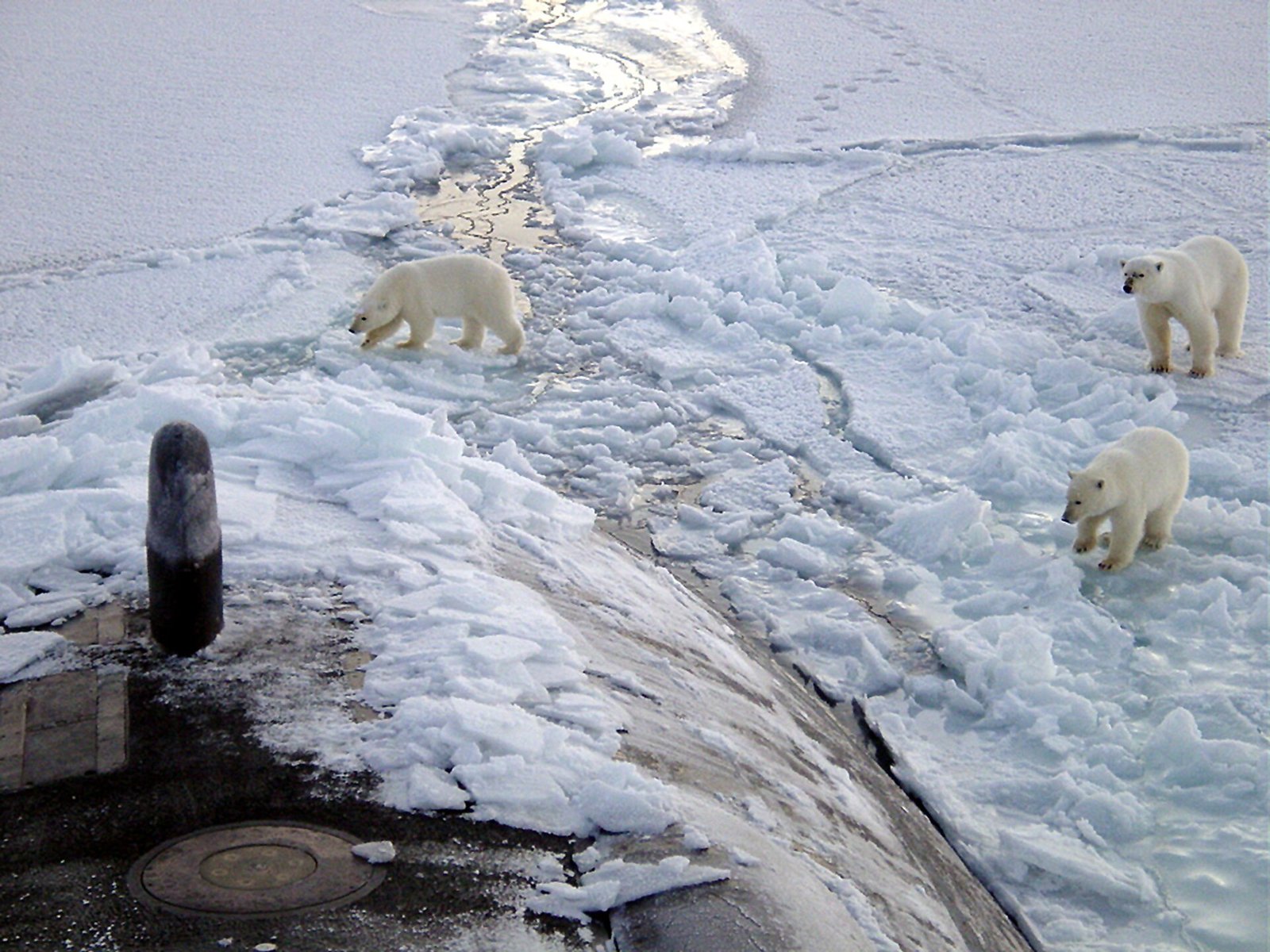
Deep in Arctic waters near Norway’s Svalbard archipelago this spring, NATO allies caught Russian submarines training to deploy a secret weapon designed to disable critical undersea cables without leaving fingerprints, according to two Western officials who spoke to Reuters on condition of anonymity.
The operation was carried out by Moscow’s GUGI undersea warfare directorate, which used deep-sea submersibles to simulate deployment of the technology. A joint operation involving Britain, Norway and the United States tracked and confronted the Russian vessels at sea, the officials said. The vessels were prevented from completing their exercise and eventually left the area.
Britain and Norway disclosed in April that they had uncovered a covert Russian operation in Arctic waters, but the discovery of the new weapon, the location of the operation and the U.S. involvement had not previously been reported.
Strategic cables under threat
Two 1,400 km subsea fiber-optic cables linking Svalbard to mainland Norway lie as deep as 2,700 meters below the surface. They carry satellite data downloaded at the SvalSat ground station, the world’s largest and part of NASA’s Near Space Network.
Russia did not damage any cables. The exercise focused on simulating deployment of the technology in the event of a conflict with NATO, the officials said. They declined to detail how the technology works.
“Through our joint operation, we sent a clear message to Russia that they cannot operate covertly,” Norway’s Defence Minister Tore Sandvik said in a statement. “We have made it unequivocally clear to Russian authorities that any attempt to target our critical infrastructure will be detected and met with consequences.”
Broader sabotage concerns
Some U.S. intelligence analysts are increasingly concerned Russia may test NATO’s mutual defense pact, known as Article 5, three U.S. officials said. Destroying subsea cables could be a critical part of that effort, the Western officials said.
In August, CIA Director John Ratcliffe visited intelligence counterparts in Moscow, in part to warn Russia against escalating sabotage operations in Europe, according to two people familiar with the matter. Reuters could not determine if Ratcliffe raised the covert subsea operations.
NATO allies have focused on subsea infrastructure security since the 2022 destruction of three of the four Nord Stream pipelines. Since 2023, more ships have sailed slowly over or near sensitive subsea infrastructure to map locations, an activity known as drifting. Last year, drifting in the North Sea rose 52% to 13,079 vessels from the previous year, according to maritime risk analytics firm Windward, while activity in the South China Sea region jumped 88% to 18,401 vessels.
The confrontation underscores the strategic importance of the Bear Gap, a stretch of water between Svalbard and mainland Norway that Russian nuclear submarines based in the Kola Peninsula would cross to reach the Atlantic. Britain said this week it deployed forces to Jan Mayen in August alongside Norwegian and U.S. allies for an exercise to demonstrate NATO’s ability to operate jointly in the High North.
Sources: Defense News · Stars and Stripes · Defence Blog · Defence Blog