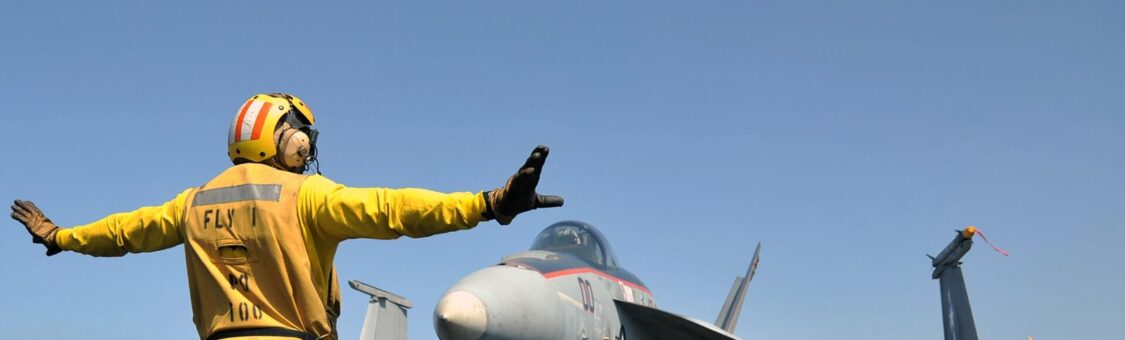
A U.S. fighter jet struck and disabled a Panama-flagged cargo ship in the Gulf of Oman on Oct. 10 after its crew ignored repeated warnings and attempted to break the American naval blockade of Iran, U.S. Central Command said.
The jet hit the stern of the M/V Ocean Molica, also known as the Arika Sun, with a precision-guided munition, knocking out the ship’s propulsion without injuring the crew, CENTCOM said in a statement. The command said the vessel had left an Iranian port and was trying to sail through regional waters. CENTCOM did not say what type of aircraft or weapon was used, what the ship was carrying, how many people were aboard, or what will happen to the vessel now that it cannot move under its own power.
U.S. forces resumed enforcement of the blockade on July 14, targeting all vessels entering or leaving Iranian ports. Since then, CENTCOM says, American forces have disabled four commercial ships, including the Ocean Molica, and turned back 135 others. The command also says it has destroyed 10 tankers it links to a shadow shipping network run by Iran’s Islamic Revolutionary Guard Corps.
Disabling strikes have been the main tool for ships that refuse to stop. The first came within a day of the blockade’s resumption, when U.S. aircraft fired Hellfire missiles into the smokestack of the Curacao-flagged tanker Belma as it headed toward Iran’s Kharg Island oil terminal in the Persian Gulf. Aiming at the engine room or stern lets U.S. forces stop a ship without sinking it or targeting the crew.
The Gulf of Oman sits at the southern approach to the Strait of Hormuz, the narrow passage between Iran and Oman that before the war carried about a fifth of the world’s oil. Traffic through the strait has fallen sharply during the conflict, with Iran and the United States each claiming control over who can pass.
CENTCOM urged ship crews to follow blockade instructions from U.S. naval forces, monitor Notice to Mariners broadcasts and stay in contact with U.S. warships on bridge-to-bridge radio channel 16 when sailing in the Gulf of Oman and near the Strait of Hormuz.