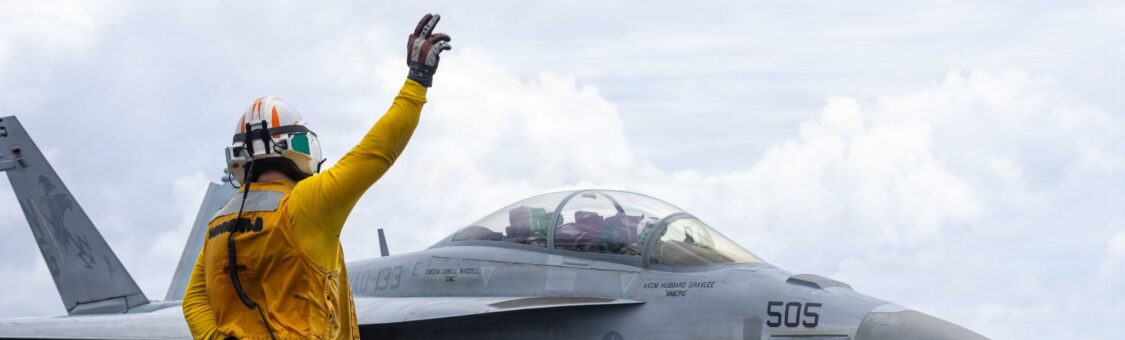
A Congressional Research Service (CRS) report released Oct. 5, 2026, details U.S. aircraft combat losses in Operation Epic Fury, the military campaign against Iran that began Feb. 28, 2026. The report, “U.S. Aircraft Combat Losses in Operation Epic Fury: Considerations for Congress,” provides background on the operation, which has involved air, maritime, and missile combat across the Middle East.
According to the report, the United States initiated operations in coordination with Israel. The pace of combat declined amid a ceasefire in April, but some strikes resumed within weeks, and conditions remain fluid. The Department of Defense is using a secondary Department of War designation under Executive Order, the report states.
In a related development, Kingsley Field in Oregon is preparing for a new era of fighter pilot training following the decision to base 26 F-35A Lightning II aircraft there, according to a DVIDS release. The 173rd Fighter Wing will transition from F-15C Eagles to F-35As, with initial aircraft arrival expected in Summer 2027. Col. Adam Gaudinski, 173rd Fighter Wing commander, said, “This is a historic day for the 173rd Fighter Wing, and the Klamath Basin. Twenty-six F-35s will call Kingsley Field home, and with them comes a mission of national importance.”
Meanwhile, at U.S. Army Garrison Ansbach in Germany, the 12th Combat Aviation Brigade hosted the sixteenth Noise Abatement Commission on Sept. 11, 2026, to discuss aviation training and community noise concerns. The semi-annual commission, held since 2010, briefed local mayors on authorized training hours under the Summer Night Flying Program. Flight operations are authorized until 1:30 a.m. in May and August, and until 2 a.m. in June and July. Historical flight tracking showed record lows in flights past midnight over the past four years, with zero flights past midnight at Illesheim and ten at Ansbach. The brigade provided up to 32 compensation days in Ansbach and 26 in Illesheim.
Sources: DVIDS News · DVIDS News