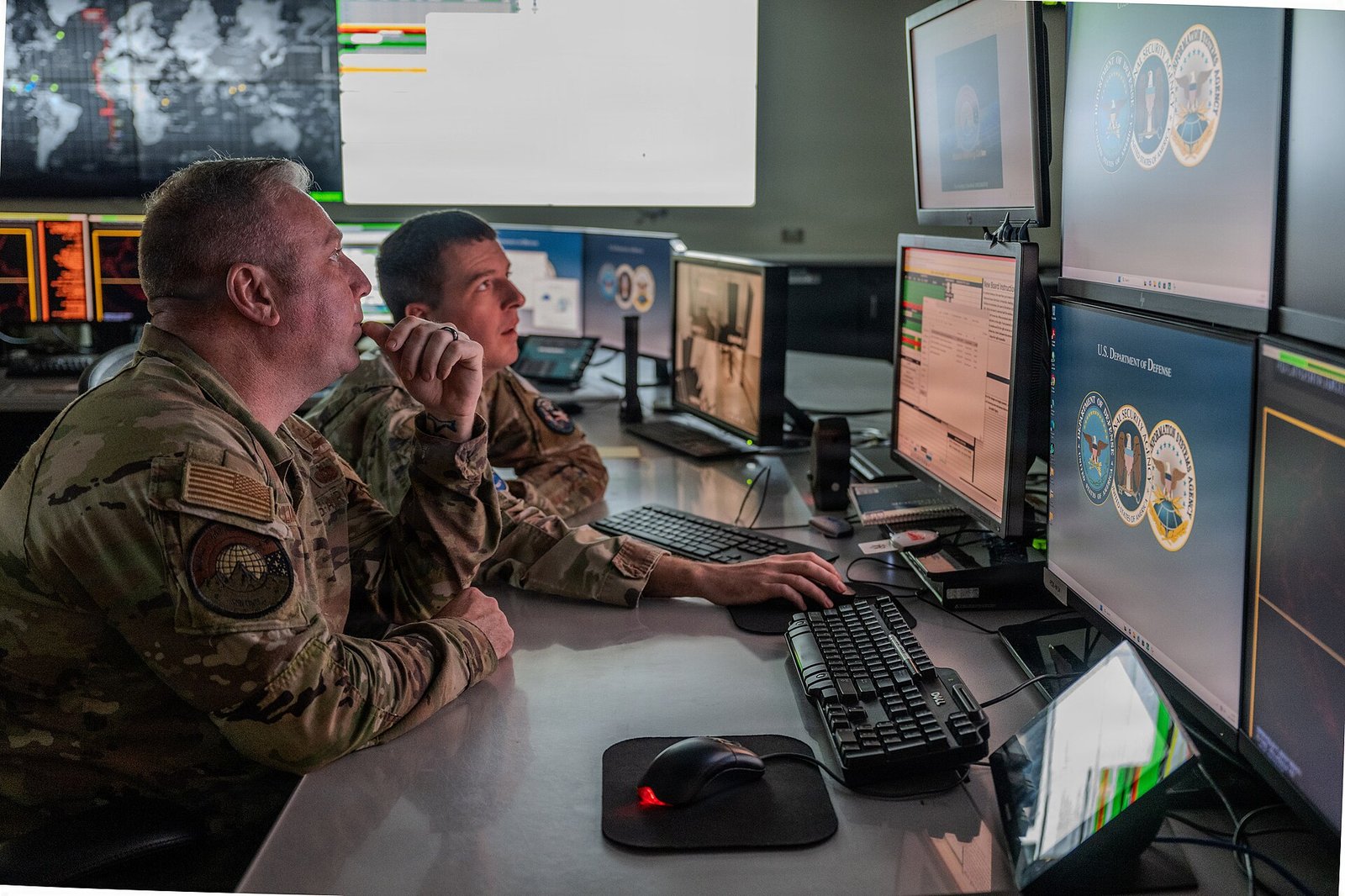
The Pentagon is seeking artificial intelligence software that can fuse fragmented sensor data into a continuously updated picture of space and missile threats fast enough to drive operational decisions, according to a Defense Innovation Unit solicitation published Sept. 11 and due Sept. 24.
The project, called the “Space Threat Intelligence Synthesis Engine,” would combine live video, satellite imagery, radar and sensor feeds, geospatial data, and classified intelligence reports. DIU said existing tools struggle to distinguish closely spaced objects, track emerging threats, and keep threat models current.
Performance targets
The solicitation sets specific technical requirements. DIU wants an open-source system with a latency delay of no more than five seconds between data arrival and results being displayed, and preferably no more than two seconds. Throughput should be 20 to 30 megabytes per minute, with bursts of up to five gigabytes.
The system should generate actionable, confidence-scored alerts supporting analyst-in-the-loop, human-on-the-loop, or automated workflows. It would also provide human-readable visualizations for frontline operators and low-latency machine-to-machine APIs to drive automated command-and-control workflows.
Contractors must demonstrate significant speed and accuracy improvements in event detection, characterization, and attribution compared with existing baseline systems.
Industry momentum
The effort reflects broader industry movement toward AI-enabled missile defense. Northrop Grumman announced in July that it was partnering with AI firm Camgian to incorporate artificial intelligence into integrated air and missile defense systems. BAE and Scale AI have also teamed up for AI-enhanced missile defense.
DIU said the architecture aims to uncover hidden patterns, complex operational relationships, and predictive threat behaviors beyond the capabilities of human analysis alone.
The push comes as conflicts involving missiles and drones, including those in Ukraine and against Iran, place growing demands on human operators. With a persistent shortage of expensive interceptors such as the Patriot air-defense system, operators must decide quickly when and where to allocate them, making AI an increasingly important decision-support tool.
Sources: Defense News · Army Times · Navy Times · Air Force Times