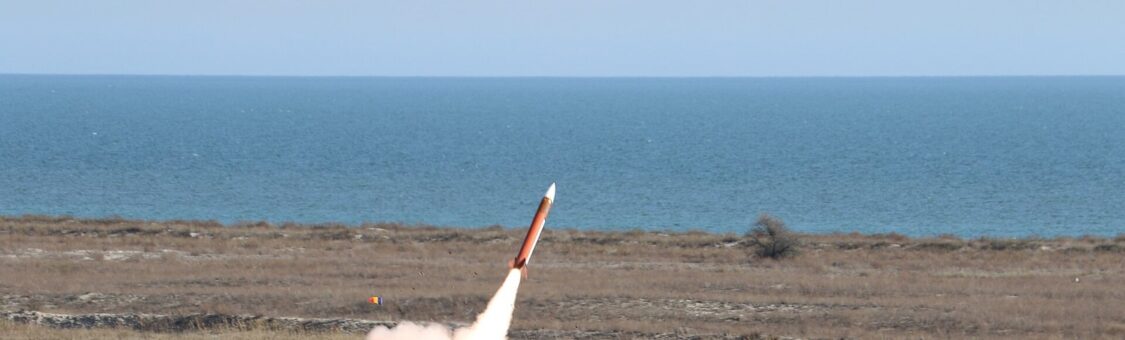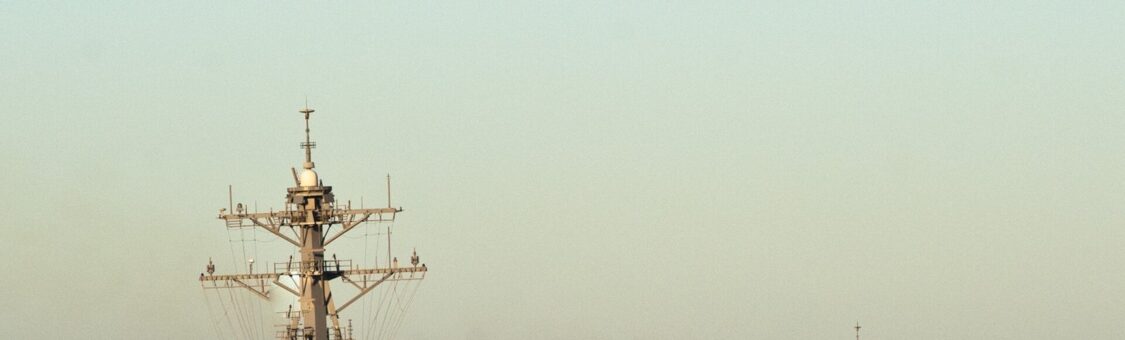
North Korea fired two ballistic missiles off its east coast on Sept. 20, 2026, according to a report by Stars and Stripes.
In a related development, the North American Aerospace Defense Command (NORAD) announced on Sept. 18, 2026, that it will enforce Federal Aviation Administration (FAA) VIP Temporary Flight Restrictions (TFRs) over New York, New York, from September 21-22, 2026.
Meanwhile, in the West Philippine Sea, Philippine Navy Rear Adm. Vincent J. Sibala, Commander of Naval Command West, has highlighted the growing security challenges in the region. In an article by DVIDS, Sibala said that repeated encounters between Philippine and Chinese forces, coercive activities at sea, and concerns surrounding Chinese rocket launches have underscored the changing regional security environment. He described these events as “firing across our bow—repeatedly” and warned against allowing such behavior to become normal.
Sibala, a U.S. Naval Academy graduate, emphasized the need for the Philippine military to look outward, stating, “I realized the existential threat was outside, not inside.” He also stressed the importance of preparing for future warfare, noting that “the nature of war stays the same, but its character evolves with technology.”
In a separate deployment, U.S. Army Corps of Engineers Maj. Matthew Kindig supported disaster relief efforts in the Mariana Islands following Typhoon Sinlaku and Typhoon Bavi. Kindig worked in the Recovery Field Office on Saipan, providing business advice to the commander and tracking contracts. After Typhoon Bavi, he organized logistics to get personnel onto Rota, where the airport was down and only charter flights were available. The island has approximately 2,000 residents and limited accommodations.
These events underscore the diverse security and humanitarian challenges facing U.S. forces and allies in the Indo-Pacific region.
Sources: DVIDS News · DVIDS News